1. Stay back and describe the scene
Keep people and pets away and call. The team asks where the sharps are and who can reach the area.
Briar, TX · Wise County
Landlords, shop owners and families in Briar often find syringes where they least expect them. Call (877) 812-4220 to get sharps searched for, collected and hauled away without anyone touching them.
If anyone is in danger, call 911 first. For a suicide crisis, call or text 988.
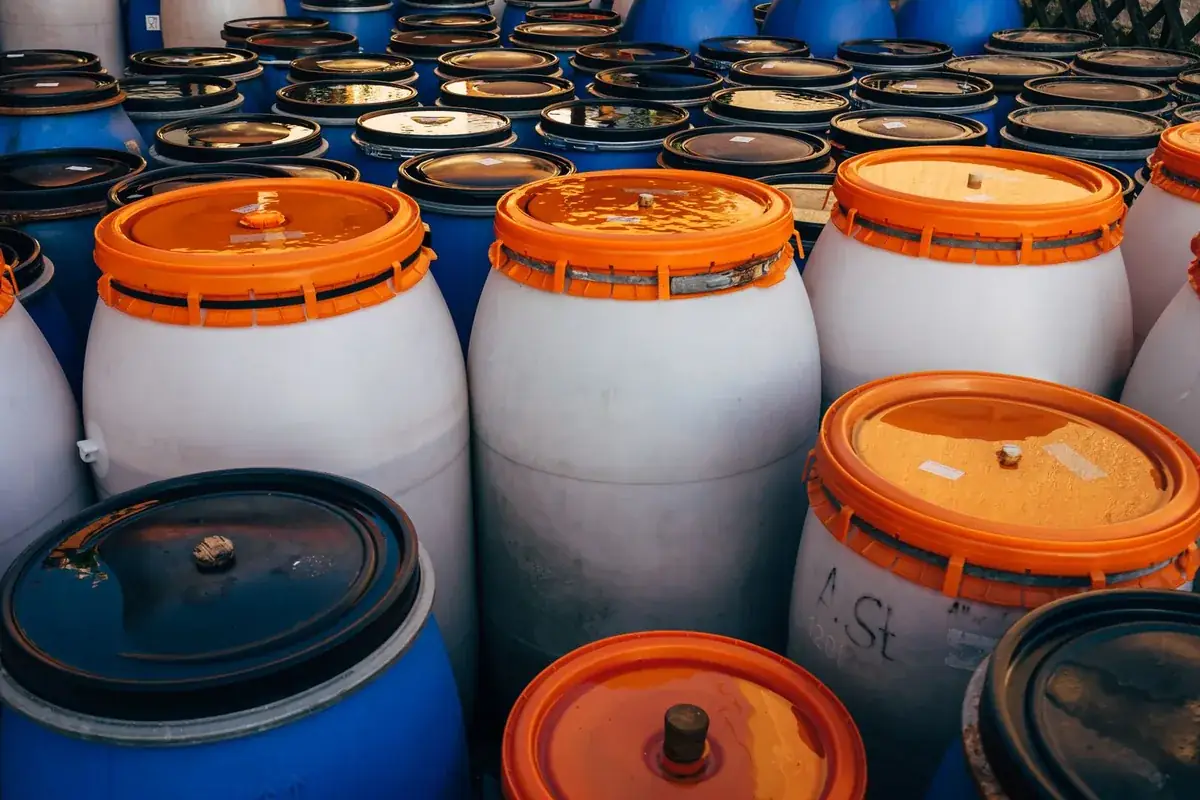
Used needle disposal means placing needles and syringes into rigid containers made to resist punctures, then sending them to a facility that treats medical waste. It keeps workers, children and pets safe.
With help from Briar Biohazard Cleanup Help, you get a local team in Briar that knows sharps must never be touched barehanded. Crews contain the hazard, haul it away and clean the space across Wise County.
Most homes in Briar are owner occupied, with renters at about 17% of households, so many needle calls come from families clearing a home or yard. Tell the doctor where the needle was found. The nearest emergency room to Briar is Texas Health Harris Methodist Hospital Azle, about 7 miles away.
The work often covers:
Keep people and pets away and call. The team asks where the sharps are and who can reach the area.
The whole property is searched, section by section, until the crew is confident every sharp is found.
Containers are sealed, loaded and taken away. They leave the property as one load.
The crew removes the containers, double-checks the space and answers questions before leaving.
The cost of needle & sharps cleanup in Briar, TX depends on the amount of material, how it is packed and how it is hauled.
The number of sharps matters because each needle must be found, lifted and sealed, and large amounts mean more containers and more disposal.
| Type of job | Typical range |
|---|
These ranges come from published cost guides () and are not a quote for Briar. Price drivers include number of items, where they are found, whether a sweep of a large area is needed, waste disposal. For a real number, call (877) 812-4220.
In many cases the person who calls does not need to be at the property. Ask the team how access and keys can be arranged. Many teams can also arrive in an unmarked vehicle, so ask about that if privacy matters to you.
A used needle can carry bloodborne pathogens such as hepatitis B, hepatitis C and HIV. The chance of infection from one stick depends on many things, and a doctor can explain what applies. Get medical care promptly after any stick or cut.
A local biohazard cleanup team can search the area and remove needles and other sharps. Some cities and health departments also help with found needles on public land. For a single needle outdoors, the health department is a good first call, and for anything bigger, a cleanup team.
Loose needles should not go in household trash, because they can stab sanitation workers. Rules for small amounts of household sharps vary by city and county. The local health department can say what is allowed, and a cleanup team can take larger amounts.
No. Recapping or bending a used needle is one of the most common ways people get stuck. Leave it where it is and let a cleanup team lift it with a tool and place it in a container.
It is a rigid, puncture-resistant box with a locking lid, made to hold needles, syringes, lancets and blades. Cleanup teams use them to seal sharps for transport. Containers should not be overfilled or opened again once locked.
A full sweep finds the needles you can see and the ones you cannot.
Call (877) 812-4220